Unification, Mandalas, and Symmetry Transformations in Analytical Psychology and Quantum Field Theory
Jung saw human wholeness as the ultimate goal of psychotherapy. He wrote extensively on mandalas, symmetrical images, as symbols of this wholeness.
On its 50th anniversary, we return to Hillman’s Re-Visioning Psychology in a time when we are meeting the collective shadow as fate in dreadful social, political, and environmental consequences.
In 1935, writer Samuel Beckett attended a lecture where C.G. Jung spoke of a young girl "who had never been born entirely," a concept that would deeply influence Beckett's characters for the rest of his life. This event examines how Beckett utilized this "unborn archetype" and the corresponding "devouring mother" as source material and structural scaffolding for his famous stories.
Through guided exercises, reflective practices, and meaningful discussions in this experiential workshop, participants will explore how serious health crises can act as catalysts for personal growth and transformation.
When the world burns, how do we transform rage into desire? In this workshop, we will explore the goddess KALI in her unknown avatar of the dancing goddess who holds passion and desire.
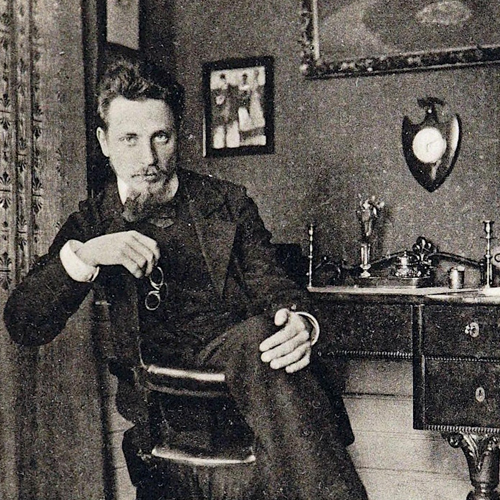
C.G. Jung and poet Rainer Maria Rilke both believed the creative drive is an unconscious phenomenon. Jung had clear ideas about how true creativity happens.
Before they were re-visioned as “seven deadly sins,” desert monastics of the fourth century imagined eight evil thoughts, or “calculating reasons” of the mind.
This workshop invites participants to engage in a rich dialogue between the principles of active imagination, rooted in analytical psychology, and non-reactive cultivation of Buddhist meditation.
Donald Meltzer, a neo-Kleinian, theorized that, like an ordinary mother’s devotion to their child in their speech and gestures, an analyst's way of speaking to the truth of their patient's experience entails appreciating beauty.