

KALI: Dance of Rage and Desire
At the Institute OnlyWhen the world burns, how do we transform rage into desire? In this workshop, we will explore the goddess KALI in her unknown avatar of the dancing goddess who holds passion and desire.
$240
When the world burns, how do we transform rage into desire? In this workshop, we will explore the goddess KALI in her unknown avatar of the dancing goddess who holds passion and desire.
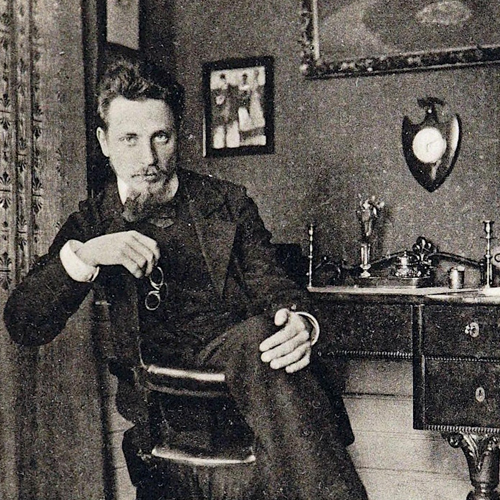
C.G. Jung and poet Rainer Maria Rilke both believed the creative drive is an unconscious phenomenon. Jung had clear ideas about how true creativity happens.

Before they were re-visioned as “seven deadly sins,” desert monastics of the fourth century imagined eight evil thoughts, or “calculating reasons” of the mind.

This workshop invites participants to engage in a rich dialogue between the principles of active imagination, rooted in analytical psychology, and non-reactive cultivation of Buddhist meditation.

Donald Meltzer, a neo-Kleinian, theorized that, like an ordinary mother’s devotion to their child in their speech and gestures, an analyst's way of speaking to the truth of their patient's experience entails appreciating beauty.

The Lady and Unicorn tapestries housed in the Musée de Cluny in Paris have long fascinated the human imagination, but their underlying meaning has remained enigmatic.

During this lecture and the discussion, Steven Herrmann will present portions of his 2024 book Meister Eckhart and C.G. Jung:

In Greek Mythology, sirens are mermaids. The allure of their voices and beauty is so strong, that it casts a spell, drawing men to them into the sea.
An integrated, practice-based, comprehensive course comprising nine sections of analytical psychology and two integration sessions over a ten-month period.